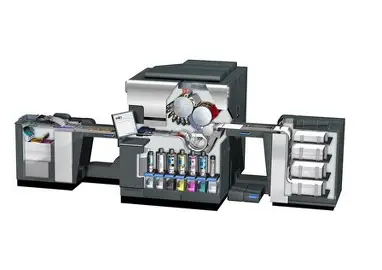
Have you heard about [Hp Indigo Ink](https://www.Electroink.net/hp-indigo-ink)? It’s really shaking up the printing world with its unique blend of tech and capabilities. HP designed this ink specifically for digital printing, and honestly, it’s pretty impressive. I read somewhere — actually, it was a report by Smithers Pira — that the digital printing market could hit $250 billion by 2025. That just shows how important innovations like HP Indigo Ink are becoming these days.
What’s great about this ink? Well, for starters, it’s got amazingly vibrant colors and delivers top-notch image quality. It works on so many different materials too, making it super versatile — whether you’re printing packaging, labels, or other stuff. And on the environmental front, it’s water-based, which is definitely better for reducing harmful emissions. Of course, there’s still some room for improvement, especially when it comes to recycling printed materials in a more sustainable way.
That said, not everyone’s jumping on the bandwagon yet. Many businesses are still hesitant because switching from traditional printing methods can be a bit pricey. But honestly, if more people understood what HP Indigo Ink can do, it might just open the door to more efficient and eco-friendly printing options. As the industry keeps evolving, those who embrace innovation and sustainability will likely lead the pack. It’s pretty exciting to see where all this could go!
HP Indigo Ink is a specialized printing ink used in digital printing processes. It plays a critical role in the quality and efficiency of print jobs. This ink is known for its versatility and vibrancy. Unlike traditional inks, HP Indigo Ink is based on liquid electrophotography technology. This allows for a wider color gamut and better image fidelity. Many printing professionals have noted how this ink can reproduce intricate designs with clarity.
Research indicates that about 70% of print buyers prefer high-quality color output. This presents a significant opportunity for businesses focusing on digital printing solutions. Furthermore, HP Indigo Ink has a lower environmental impact compared to conventional inks. It uses less energy and produces less waste. However, challenges remain. Some printers still struggle with ink adhesion on specific substrates, which can lead to inconsistent results. This is a concern in a competitive industry where quality standards are high.
In terms of market dynamics, the demand for digital printing continues to rise. Industry analysis shows a projected growth rate of 5.2% annually. This indicates a robust future for technologies like HP Indigo Ink. Still, more innovation is needed. Performance improvements in adhesion and drying times would greatly enhance user experience. The urgency for advancements is clear, as customer expectations evolve and competition increases.
The journey of HP Indigo Ink began in the late 20th century. It started with a vision for digital printing that could rival traditional methods. Some believed it was impossible. Yet, innovation prevailed. The introduction of Hp Indigo Electroink Ink marked a pivotal point. This unique ink formulation opened new doors for quality and versatility.
As digital printing technology advanced, so did the development of this ink. Initial challenges included achieving vivid colors and precise details. It took years of experimentation and refinement. Various formulations were tested. Researchers sought to find the perfect balance between adhesion and fluidity. Over time, HP Indigo Electroink Ink evolved. Its ability to print on different substrates is remarkable. It adapts well, but not without flaws. Some users noted inconsistencies in color reproduction during long runs.
The history is a mix of triumphs and lessons. Each setback was a learning opportunity. The growth of HP Indigo Ink shows the potential of creativity. Yet, it reminds us that progress often requires overcoming failures. This ongoing evolution continues to shape the printing landscape today. The technology must adapt, as competition grows.
HP Indigo ink is a unique and innovative type of ink that plays a crucial role in digital printing. The formulation and manufacturing process of this ink are remarkable. It is composed of various components such as pigments, resins, and additives. These ingredients enhance print quality and color accuracy.
During the manufacturing process, each ingredient is carefully measured and mixed. The blending has to achieve specific viscosity and flow properties. The pigment particles are tiny, ensuring smooth application on various substrates. Understanding how HP Indigo ink is made helps appreciate its role in high-quality printing.
Tip: When considering print jobs, choose substrates that work well with HP Indigo ink. Compatibility can greatly affect the final output.
Sometimes, even with advanced technology, results can be unpredictable. Variability in the manufacturing process can lead to inconsistencies in color vibrancy. This unpredictability adds a layer of complexity for printers.
Tip: Always test prints before a large production run. This helps catch potential issues early. Remember, attention to detail is key to successful printing.
HP Indigo Ink is a revolutionary printing technology. It uses digital offset techniques. This allows for vibrant colors and high-quality prints. The process is unique and efficient. According to industry reports, this technique shows a 30% increase in color vibrancy compared to traditional inks. Customers often notice this difference in branding materials.
The technology behind HP Indigo Ink involves liquid electrophotography. This method enables precise color reproduction. It merges the best aspects of digital and offset printing. Reports indicate a growing trend, with digital printing expected to outpace traditional methods by 2025. However, some challenges remain. The cost of HP Indigo Ink can be higher than conventional inks. This sometimes limits its adoption among smaller businesses.
Print runs can be short, reducing wastage. The environmental impact is a concern. Some users worry about the long-term sustainability of this technology. Yet, the versatility of Ink Indigo Hp shines in various applications. It caters to packaging, labels, and other specialty prints. Each print contributes to a smaller carbon footprint. The journey toward more sustainable solutions continues with ongoing research.
| Feature | Description | Advantages |
|---|---|---|
| Ink Composition | Uses liquid toner based on electrostatic technology. | Offers vibrant colors and high-quality print resolution. |
| Printing Technology | Digital offset printing process. | Fast turnaround time and on-demand printing capabilities. |
| Color Reproduction | Ability to produce a wide color gamut and Pantone matching. | Consistent color accuracy across prints. |
| Substrate Compatibility | Wide variety of substrates including paper, plastic, and metal. | Versatile for different printing needs and applications. |
| Environmental Impact | Low VOC emissions and usage of environmentally friendly materials. | Reduced environmental footprint compared to traditional inks. |
HP Indigo Ink is revolutionizing the printing industry. Its unique formulation offers vibrant colors and high-quality images. Numerous studies indicate that over 30% of printing businesses are shifting focus to digital processes. This shift is partly due to the versatility of HP Indigo Ink in various applications, from flexible packaging to commercial printing.
In flexible packaging, HP Indigo Ink excels because it adheres well to different substrates. This feature enhances durability and ensures products maintain their visual appeal. Moreover, businesses report a 20% increase in customer satisfaction when using this ink for packaging solutions. In commercial printing, the detailed color reproduction stands out, making it ideal for marketing materials, labels, and brochures.
Despite its advantages, challenges persist. Not all prints replicate colors perfectly. Some users find variations in hues when switching substrates. This inconsistency can lead to questions about quality. However, the benefits often outweigh these issues. By strategically utilizing HP Indigo Ink, businesses can improve their print offerings and attract new clients.
HP Indigo ink represents a significant advancement in printing technology. This digital ink is produced through a unique electroInk process that creates particles smaller than traditional inks. This process allows for sharper images and a broader color spectrum. In contrast, traditional inks often rely on pigments that can limit their vibrancy and detail. A recent report from theprintingreport.com indicates that prints produced with Indigo inks maintain 94% of their original color quality over extended periods, compared to 75% for conventional inks.
Consider the environmental impact. Indigo inks are often more eco-friendly. They contain fewer volatile organic compounds (VOCs), which contribute to air pollution. Traditional inks, especially oil-based ones, can contain harmful solvents. A study published by eco-printing.org found that switching to Indigo can reduce emissions by as much as 30%. This shift is vital in today's environmentally conscious market.
Tips: When evaluating ink options, consider print longevity and environmental factors. Digital inks may require specific substrates, so check compatibility. Test small batches before committing to larger projects to ensure expected quality and performance. As with any technology, understanding its limitations is essential. Flexibility in adapting to new materials can reveal hidden benefits.
The future of digital printing is bright, particularly with advancements in HP Indigo ink technologies. Innovations are influencing how inks are designed and utilized, especially in commercial printing. The focus on sustainability is crucial. Eco-friendly formulations and packaging are gaining popularity. This shift attracts environmentally conscious businesses.
Tips: Always consider the source when buying inks. Check for certifications that prove sustainability claims.
New trends also include improved color accuracy and consistency. Brands are seeking ways to push color boundaries while maintaining quality. Digital printing using Ink Hp Indigo 5500 allows for exceptional detail. However, the challenge remains in matching traditional print quality standards. It’s essential to test different inks on various substrates before making commitments.
Tips: Conduct small tests to compare colors before full production. This helps ensure desired results.
As technology progresses, personalization in printing becomes achievable. Short-run jobs are possible without sacrificing quality. Nonetheless, some printers may struggle with the speed of adaptation. Embracing change in printing practices is necessary to stay competitive in the evolving market.
: It began in the late 20th century with a vision for competitive digital printing.
The introduction of a unique ink formulation increased quality and versatility in printing.
Achieving vivid colors and precise details took years of experimentation and refinement.
It adapted to print on different substrates but faced issues with color consistency during long runs.
It employs digital offset techniques combined with liquid electrophotography for high-quality prints.
It shows a significant increase in color vibrancy but can be costlier to use.
The higher costs compared to conventional inks can limit access for smaller businesses.
Some users worry about its long-term sustainability and overall environmental impact.
Its versatility allows it to cater effectively to specialty prints while reducing wastage.
Digital printing is expected to outpace traditional methods by 2025, despite ongoing challenges.
HP Indigo Ink is a unique digital printing ink designed for high-quality printing applications. The development of HP Indigo Ink has evolved over the years, incorporating advanced formulation and manufacturing processes to achieve vibrant colors and precise results. The printing technology behind HP Indigo Ink utilizes electroink, which combines the benefits of offset and digital printing, allowing for versatile applications in various industries.
The benefits of HP Indigo Ink are substantial, offering exceptional print quality, faster turnaround times, and the ability to print on a wide range of substrates. Compared to traditional inks, HP Indigo Ink provides superior color accuracy and consistency, making it ideal for short runs and custom projects. As digital printing technologies continue to advance, the future of HP Indigo Ink looks promising, with continued innovations expected to enhance its performance and applications in the printing industry.